How a Gin Bar Turns Botanicals Into Art

A well-run Gin Bar does not simply pour spirits into stemware and call it service. It composes aroma, texture, temperature, dilution, glassware, light, and timing into a complete sensory experience. What ends up in the guest’s hand may look effortless, even spare, yet almost every detail has been chosen with care. That is where the artistry lives. Not in excess, not in theatrical garnish for its own sake, but in disciplined choices that let botanicals speak clearly.
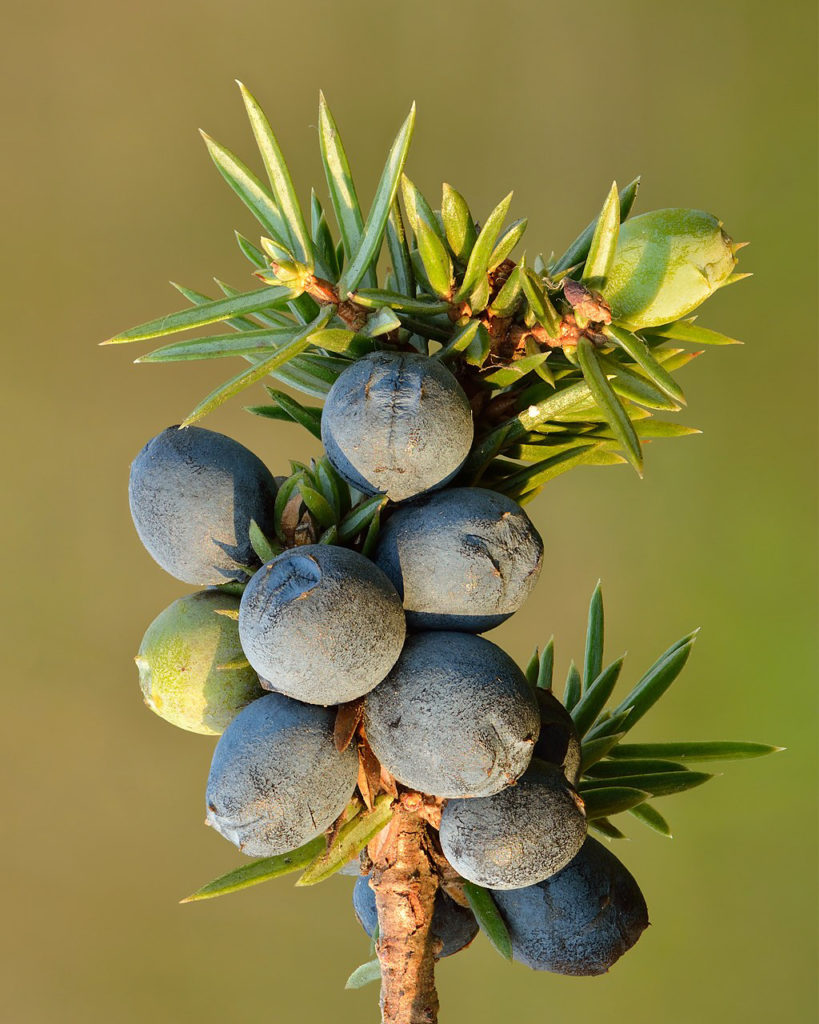
Gin is uniquely suited to that kind of work. Unlike darker spirits that often carry the weight of barrel influence, gin begins with a cleaner canvas. Its identity rests on juniper, yes, but the range beyond juniper is vast: coriander seed, angelica root, orris root, citrus peel, cardamom, lavender, cubeb, grains of paradise, chamomile, rosemary, fennel, cassia, almond, olive, seaweed, and dozens more. The result is not one flavor family but a broad aromatic language. A serious Gin Bar learns to speak that language fluently.
The public often meets gin through a short list of classics, the gin and tonic, the martini, the negroni, perhaps a Tom Collins. Those drinks matter, but they can also hide the subtlety of the spirit if handled lazily. Too much tonic flattens structure. Warm glassware blurs freshness. A random garnish can clash with the distiller’s botanical recipe. When a bar treats gin with respect, something changes. Guests stop tasting “just gin” and start noticing pine, lemon oil, green spice, rooty dryness, floral lift, or a savory edge that lingers after the sip.
That transition, from generic to precise, is the central transformation. It is how botanicals move from ingredient list to art form.
The bar starts with a botanical point of view
Most great gin programs are built around a clear philosophy. Some bars lean classic, focusing on London dry styles and old-school service standards. Others chase regional expression, showcasing gins from local distilleries or emphasizing Mediterranean, Japanese, or contemporary botanical profiles. The best ones, in my experience, do neither blindly. They curate with purpose.
That curation resembles editing more than collecting. A back bar with 140 bottles can impress at first glance, but volume alone is not a point of view. If half those gins overlap and the staff cannot explain the difference between them, the selection is decorative rather than useful. A tighter range, perhaps 25 to 40 bottles chosen across distinct flavor profiles, often serves guests better. You want contrast and character: a crisp juniper-led London dry, a citrus-forward modern gin, a floral style with delicate perfume, a savory expression with herbs or olive notes, and a few bottles that push into unusual territory without sacrificing balance.
What matters is not just having options. It is knowing why each Gin Bar The Winslow bottle earned its place. One gin may be ideal in a martini because its juniper remains articulate at freezing temperatures. Another may excel with tonic because its grapefruit and pepper notes bloom with carbonation. A softer, more floral gin may disappear in a negroni but sing in a highball with verjus or a restrained elderflower accent. Good bars know those distinctions intimately.
Botanic structure is more important than brand prestige
The most experienced bartenders rarely choose a gin because the label is fashionable. They choose based on structure. That means asking a set of practical questions. Where does the juniper sit, front palate or finish? Is the citrus bright and top-note driven, or candied and dense? Are the roots adding dryness, earthiness, or texture? Does spice land warm, green, peppery, or sweet? Is the floral note vivid enough to perfume the glass, or so intense that it risks tasting soapy under dilution?
These questions sound technical, but in service they become straightforward judgment calls. A guest asks for “something refreshing but not too citrusy.” That may point toward a gin with herbaceous lift and a dry tonic, perhaps garnished with a slapped basil leaf or a thin slice of cucumber. Another guest says they dislike gin because it tastes like pine trees. Often that means they have only encountered juniper-heavy styles served without balance. A bar with range can offer a softer, rounder gin with gentle citrus and spice, changing that guest’s mind in one drink.
This is where expertise becomes hospitality. Knowledge is not there to show off. It is there to translate preference into pleasure.
Distillation gives the artist raw material
To understand how a Gin Bar turns botanicals into art, it helps to know what is happening before the bottle arrives. Distillers work with several approaches, and those choices shape what bartenders can build on top.
Some botanicals are macerated directly in neutral spirit before redistillation. That tends to pull deeper oils and fuller extraction. Others may be suspended in vapor baskets so the alcohol vapor passes through them during distillation, capturing more delicate aromatic compounds. Many producers use both methods to layer intensity and finesse. A heavy hand with roots can create a firm, dry backbone. Light treatment of flowers preserves lift without turning perfumed. Citrus behaves differently depending on whether fresh peel, dried peel, or distilled essence is used.
None of this guarantees quality, but it affects texture and aromatic clarity. A bartender who understands that can work more intelligently. If a gin is built on lifted vapor-infused florals, stirring it very cold and serving it in a broad, room-temperature glass may mute its strengths. If another gin carries dense spice and root, it may stand up beautifully to vermouth and a citrus twist. Technical understanding does not remove intuition. It sharpens it.
Tonic is not a background ingredient
Few pairings are mishandled more often than gin and tonic. The assumption is that tonic water is neutral support. It is not. It brings bitterness from quinine, sweetness, carbonation, acidity, and its own flavor architecture. One tonic may push lemon and quinine sharply, another may taste softer and sweeter, another may emphasize rosemary, cucumber, or Mediterranean herbs.
A disciplined Gin Bar treats tonic the way a chef treats stock. It is foundational. If the tonic is too sweet, the drink can lose edge. If its bitterness is harsh, it can crush a delicate gin. Carbonation matters too. Freshly opened tonic gives life and aromatic lift. Flat tonic leaves the drink dull within minutes.
I have seen bars spend serious money on premium gin and then spoil the result with warm, overhandled tonic from a half-empty bottle. By contrast, a careful bar chills tonic thoroughly, measures it rather than flooding the glass, and chooses it to fit the gin’s botanical structure. This can be subtle work. A savory gin with olive, thyme, or rosemary notes often benefits from a dry tonic and a restrained garnish. A gin with orange peel and coriander can open nicely with a tonic that has firm quinine and clean citrus. The goal is not maximum flavor. It is harmonious flavor.
Garnish is the final botanical edit
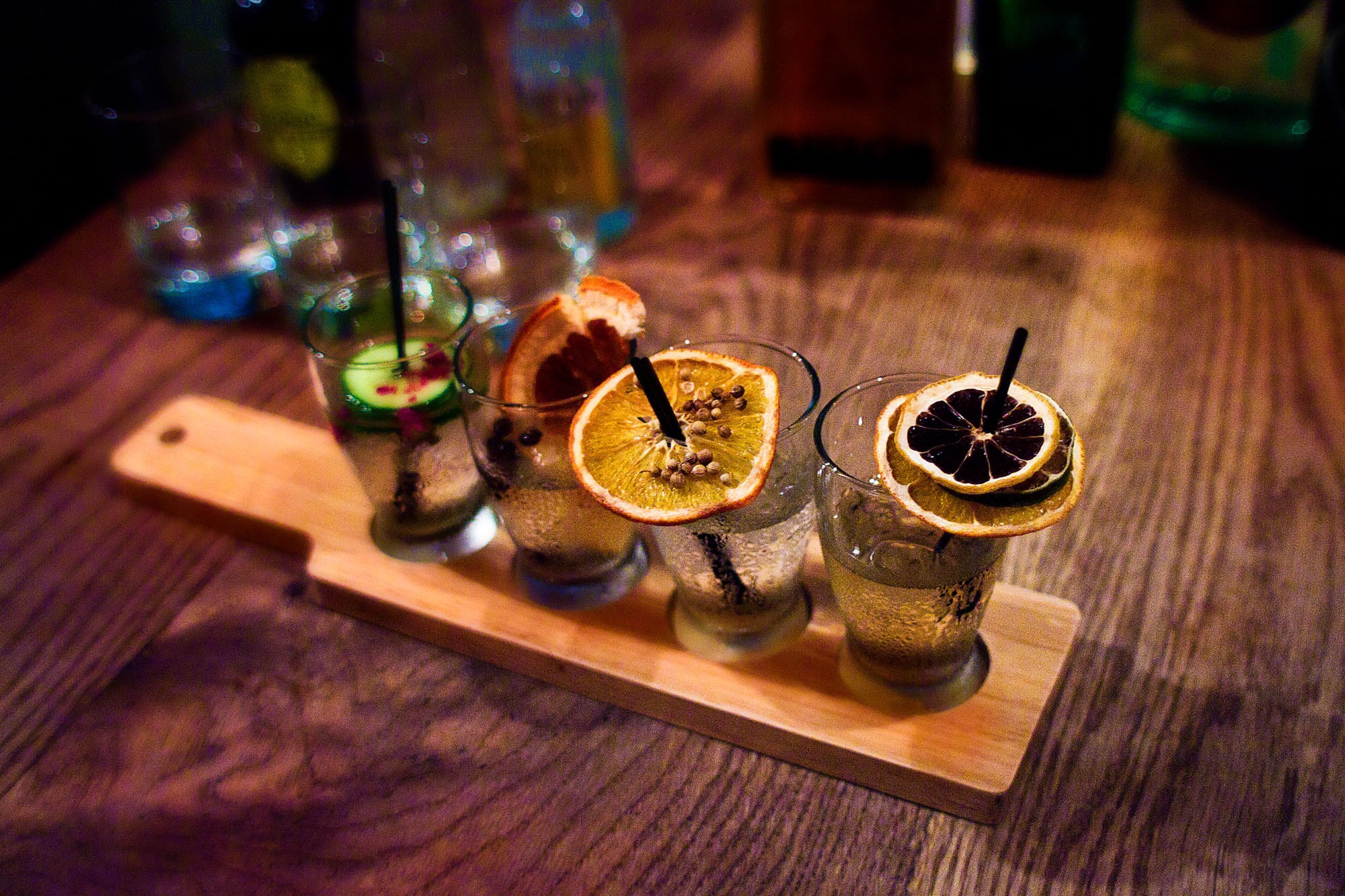
If there is one area where a Gin Bar can turn thoughtful service into visual and aromatic art, it is garnish. The trouble is that garnish is also where bars most often lose discipline. Too many drinks arrive crowned with mint bouquets, dehydrated wheels, peppercorns, edible flowers, herbs, and fruit spears, all fighting for attention. Guests may photograph the glass, but the nose gets confused and the palate pays the price.
A useful garnish does one of three things. It amplifies a note already present in the gin, it frames the aroma before the first sip, or it introduces a deliberate contrast that remains proportionate. That is a narrow brief, and it is enough.
A grapefruit twist over a citrus-led gin can sharpen freshness. A single rosemary sprig can underline herbal character, if handled lightly. A lemon peel on a martini can brighten a dry, juniper-driven gin without altering its structure. Cucumber can work beautifully with cooling, green styles, but with a strongly resinous London dry it can read watery and disjointed. Pink peppercorns smell wonderful, but too many will dominate the glass within moments.
The most refined bars train staff to treat garnish like seasoning. Small moves, carefully placed.
Here are the garnish principles that consistently hold up in service:
- Match the garnish to the dominant or supporting botanical, not just the color of the label.
- Use fewer pieces than you think you need, because aroma blooms quickly in a cold glass.
- Express citrus oils deliberately, then discard excess pith or peel if it adds bitterness.
- Avoid garnishes that shed debris into the drink unless texture is part of the design.
- If a garnish does not improve the first smell, leave it out.
That last point is harder than it sounds. Many bars feel pressure to make every drink look abundant. In practice, restraint often reads as confidence.
Ice, dilution, and temperature do half the work
Artistry in a Gin Bar often hides in unglamorous mechanics. Ice quality, dilution rate, and service temperature can make more difference than an expensive bottle. Gin is especially sensitive to these variables because so much of its identity sits in volatile aromatics. Warmth releases aroma, but too much warmth also exposes alcohol. Dilution can soften heat and open texture, but too much will blur the botanical outline.
Consider the martini. A good one should arrive very cold, with enough dilution to lengthen the spirit and carry aroma, yet not so much that it tastes washed out. That balance is narrow. Stir for too little time and the drink feels hot and angular. Stir too long with wet ice and the edges disappear. The gin itself matters, but technique matters just as much.
In a gin and tonic, large, dense ice reduces runaway dilution and preserves carbonation. Cracked or hollow cubes melt too fast, especially in a warm room. Glassware should be cold enough to help the drink hold shape, but not frosted to the point that aroma shuts down completely. A stemmed glass can help by keeping warm hands off the bowl. A highball may suit one style, a balloon glass another, though fashion has exaggerated the importance of shape at times. What matters is the interplay among aroma capture, ease of drinking, and temperature control.
These details may sound obsessive. In a busy room they are also the line between average and memorable.
The room itself changes how botanicals read
People tend to think flavor exists only in the glass. It does not. The environment changes perception. Lighting, music level, ambient temperature, and even air movement influence how botanicals land.
Low, warm light often primes guests for richer or more contemplative serves. Bright daylight makes crisp, high-toned drinks feel more immediate. Loud rooms reduce the chance for subtle aromatic drinks to be appreciated because service becomes faster and conversation shorter. Heat is particularly important. On a humid summer evening, guests gravitate toward drier, longer drinks with bracing lift. In colder months, gin with spice, citrus peel, and savory herbs often performs better in stronger, shorter formats.
A thoughtful Gin Bar adapts. It may shift featured serves with the season, not because seasonality is trendy, but because human perception changes with context. One winter menu I remember handled this beautifully. The bar offered a martini variation built around a fir-led gin, a whisper of blanc vermouth, and a lemon coin discarded after expression. In summer the same bar moved toward saline highballs with citrus-led gins and restrained tonic. Same spirit category, entirely different emotional effect.
That is part of the art too. Not just flavor design, but situational design.
Staff knowledge must feel conversational, not rehearsed
Guests rarely want a lecture. They do want guidance. The strongest gin service depends on staff who can read the room and calibrate their language. There is a difference between saying, “This one has a contemporary profile with lifted citrus and soft spice” and reciting a distillery’s full botanical bill from memory. One invites. The other performs.
Training should focus on sensory fluency. Can staff describe how two gins differ in the glass? Can they recommend a tonic pairing for a guest who dislikes sweetness? Can they explain why a certain garnish was chosen? Can they steer someone from a generic request toward a better fit without making them feel corrected?
A concise framework helps. Many bars informally teach their teams to think in terms of juniper, citrus, spice, floral, herbal, savory, and finish. That vocabulary gives enough precision for meaningful recommendations without burying the guest in jargon. When staff know the material deeply, they can simplify confidently.
One of the clearest signs of a mature Gin Bar is that the conversation stays human. The service feels informed, never scripted.
Menus can frame gin as a creative medium
There is a practical design challenge in presenting gin well. If a menu lists twenty gins with no guidance, many guests default to the one name they recognize. If it overexplains every botanical detail, they stop reading. The best menus act like a map. They group by style or mood, offer a few well-constructed house serves, and leave room for custom recommendations.
A useful menu does not need to be long. In fact, shorter is often stronger. Four or five signature drinks can say more about a bar’s botanical intelligence than fifteen muddled options. The point is to demonstrate range without exhausting the guest.
An effective gin menu often does these things well:
- It distinguishes house signatures from classic serves and gives each a clear identity.
- It signals flavor direction with plain language such as citrus-led, savory, floral, or dry.
- It notes tonic or garnish pairings only when those choices are intentional and meaningful.
- It leaves enough space for staff to suggest substitutions or off-menu adjustments.
- It avoids clutter that turns selection into homework.
There is also value in offering a tasting flight, though only when the pours are curated thoughtfully. Three half serves that illustrate juniper-led, citrus-led, and savory expressions can teach more in ten minutes than a wall of bottles ever will. But flights should be presented with context, otherwise they become another display rather than an educational tool.
The classics remain the best test of judgment
For all the creativity available in a Gin Bar, the classics still reveal the deepest skill. A martini shows whether the bar understands balance, temperature, and restraint. A gin and tonic shows whether the team respects pairing, carbonation, and proportion. A negroni shows whether the chosen gin can hold its shape against bitter and sweet modifiers. A gimlet shows how citrus tension can sharpen or flatten botanicals depending on recipe and dilution.
Many ambitious bars chase novelty before mastering these foundations. That usually ends in drinks that are busy but forgettable. The finest gin programs tend to work the other way around. They build confidence through the classics, then extend that logic into original serves.
I once had two martinis in different bars within the same week, both made with the same gin and vermouth. One arrived icy, fragrant, and exact, the lemon oils hovering above the glass before the first sip. The other was merely cold vodka-like liquid with a vague citrus note. Same ingredients on paper, radically different result. Technique, attention, and judgment made the difference. That is the lesson every serious bar eventually learns. Ingredients matter. Handling matters more.
Art emerges from repetition, not novelty alone
There is a temptation to associate artistry with the unusual, rare botanicals, smoke domes, color-changing infusions, unexpected savory pairings. Those tools can be useful. Some are genuinely exciting. But they are not where most great gin service earns its reputation.
Art, in a working bar, comes from repeating small acts of precision until they feel effortless. Chilling the right glass. Choosing the right ice. Pairing tonic with intent. Trimming a peel cleanly. Knowing when the drink needs one more turn of the spoon and when to stop. Recommending a softer gin to the skeptical guest, then watching the expression change after the first sip. Remembering that one regular likes a martini “cold, not aggressive,” Gin Bar and adjusting dilution accordingly.
Botanicals invite creativity because they are expressive, but they reward restraint because they are fragile. A Gin Bar that understands both sides can turn a spirit shelf into something much richer than inventory. It becomes a studio of aroma and balance, where juniper, citrus, spice, root, and herb are not just flavors but compositional elements.
That is how botanicals become art. Not through spectacle, and not through mystique. Through informed, sensory craftsmanship delivered with enough grace that the guest feels only pleasure, never process. When a bar gets that right, the drink lingers in memory long after the glass is cleared.
The Winslow
243 E 14th St
New York, NY 10003, United States
Phone: +1 212-777-7717
FAQ About Gin Bar
How to do a gin tasting?
Start with a small pour and gently smell the gin before taking a small sip. Notice its juniper, citrus, floral or spice notes, then compare how the flavor changes with a little water or tonic. At a gin bar, ask the bartender to explain the selection and botanical pairings.
How to make the best tasting gin and tonic?
Use chilled gin, fresh tonic and plenty of ice. A common starting ratio is one part gin to two parts tonic, adjusted to taste. Choose a garnish that complements the gin's botanicals and stir gently to preserve the bubbles.
What is the smoothest tasting gin?
There is no single smoothest gin for everyone. Perceived smoothness depends on the botanical recipe, alcohol strength, serving temperature and mixer. Describe whether you prefer citrus, floral, herbal or juniper-forward flavors so a bartender can suggest a suitable style.